

Updated Tue May 12, 2026
Published Under: Website Accessibility Website Compliance Website Development
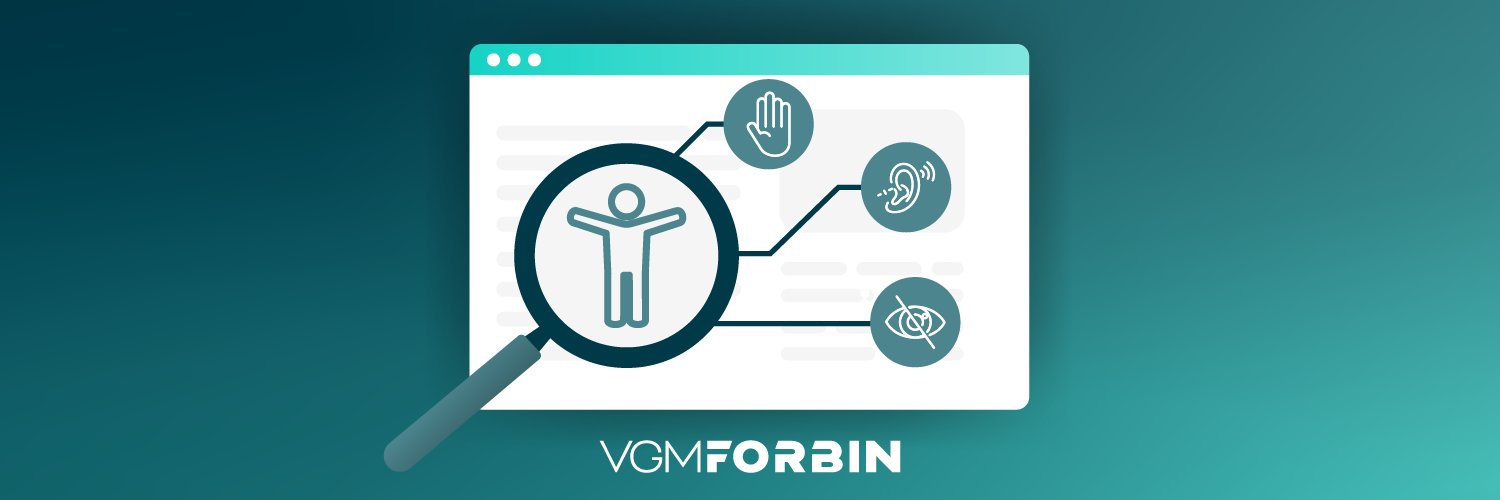
Website accessibility bots routinely scan sites for WCAG-‑related issues, but understanding what these scans mean and how to respond is key to maintaining an accessible, well‑designed website.
If you manage or maintain a website, you may have seen accessibility scan reports, automated alerts, or third‑party tools flagging potential issues on your pages. These results often come from website accessibility bots, which are automated tools designed to scan sites for common accessibility issues based on established guidelines. For many organizations, these reports create more questions than answers, leaving teams unsure what matters, what to fix first, and how serious the issues really are.
Understanding what these bots do, why they scan websites, and how to interpret their findings can help organizations maintain a more accessible and user‑friendly online presence.
What are website accessibility bots?
Website accessibility bots are automated scanners that visit web pages and evaluate them against the Web Content Accessibility Guidelines (WCAG). WCAG is published by the World Wide Web Consortium and serves as the foundation for most digital accessibility standards in the United States and globally.
These bots analyze the technical structure of a website rather than real user behavior. Common checks include:
-
Page structure and heading hierarchy
-
Image alternative text
-
Color contrast ratios
-
Form labels and input associations
-
Keyboard navigation support
-
ARIA attributes and semantic HTML
Their purpose is to identify technical indicators that could create barriers for users who rely on assistive technologies such as screen readers or keyboard navigation.
VGM Forbin helps organizations translate these technical findings into real-world usability improvements through intentional website design and development.
Why are accessibility bots scanning websites?
Accessibility bots are commonly used by organizations, agencies, and platforms as part of routine website monitoring. Common reasons include:
-
Regular accessibility checks by website owners
-
Scheduled scans through monitoring tools
-
Reviews during website redesigns or major updates
-
Preliminary evaluations to identify potential accessibility gaps
There is no official government or ADA enforcement bot automatically scanning websites. These tools are widely available and primarily used to support accessibility planning and overall website quality efforts.
When organizations receive scan reports, VGM Forbin often helps translate those findings into clear, prioritized next steps based on business goals, website structure, and long‑term maintenance needs.
What accessibility bots can and cannot identify
Automated accessibility scans are a helpful starting point, but they often lack the context needed to make informed decisions.
Accessibility bots are effective at identifying common, repeatable technical issues such as missing alt text, low color contrast, or unlabeled form fields. However, they cannot evaluate usability, clarity, or real user experience.
Accessibility bots cannot:
-
Guarantee WCAG or ADA compliance
-
Determine whether alternative text is meaningful or contextually appropriate
-
Evaluate real screen reader or keyboard‑only interactions
-
Replace expert review or human judgment
This is why accessibility best practices recommend pairing automated scans with thoughtful design and expert evaluation.
Why accessibility monitoring matters over time
Accessibility is not a one‑time task. Websites evolve as content is added, layouts change, and third‑party tools are introduced. Each update can unintentionally introduce accessibility issues. Without ongoing monitoring, small updates can quickly lead to a growing list of accessibility issues that are harder to manage over time.
Ongoing monitoring helps organizations:
-
Identify issues early
-
Maintain consistent user experiences
-
Support inclusive digital access
-
Reduce risk associated with outdated or unreviewed content
This is especially important for healthcare organizations, HME providers, financial institutions, and other regulated industries where trust and usability are critical.
VGM Forbin works with clients to build, monitor, and continuously improve websites so accessibility remains manageable over time.
Accessible, WCAG‑friendly websites built by VGM Forbin
In addition to accessibility audits and monitoring, VGM Forbin builds websites with accessibility in mind from the start. Our team designs and develops websites using WCAG‑aligned best practices to help reduce common accessibility issues before automated scanners flag them.
This approach includes:
-
Clean, semantic page structure that supports screen readers
-
Accessible navigation and keyboard usability
-
Thoughtful color contrast and readable typography
-
Proper use of headings, labels, and alternative text
-
Design decisions that balance accessibility, usability, and brand goals
By building accessible, WCAG‑friendly websites, VGM Forbin helps organizations avoid reactive fixes and instead establish a stronger foundation for long‑term accessibility, easier maintenance, and more consistent scan results.
Learn more about our accessible websites
How VGM Forbin supports accessibility beyond scans
At VGM Forbin, accessibility bots are viewed as just one part of a broader website quality and performance strategy.
Backed by decades of experience building and supporting websites across healthcare, HME, financial, and enterprise industries, the VGM Forbin team helps organizations move beyond raw scan results and focus on what actually improves usability, accessibility, and long-term site performance. Our experts understand how accessibility fits into real‑world design, development, ongoing updates, and long‑term digital strategy.
Rather than treating accessibility as a checkbox, VGM Forbin focuses on clarity, prioritization, and sustainable progress.
FAQ: Website Accessibility Bots and Accessibility Solutions
Q: Do accessibility bots mean my website is not compliant?
Not necessarily. Accessibility bots identify potential technical issues, but they do not determine compliance. Many findings require human review to understand context and impact.
Q: Are accessibility bots enforcing ADA or WCAG?
No. Accessibility bots are not enforcement tools. They are automated scanners used to identify potential issues based on guideline criteria.
Q: How often should websites be scanned for accessibility?
There is no single schedule. Websites that change frequently benefit from regular monitoring, especially after content updates or redesigns.
Q: Can automated tools fix accessibility issues?
Automated tools can identify issues, but meaningful fixes usually require design, content, or structural changes.
Q: What is the difference between a scan and an accessibility audit?
A scan provides automated results. An audit reviews those results in context, identifies patterns, and offers guidance aligned with WCAG standards.
If you recently ran an accessibility scan or audit and are unsure how to interpret the results, what to prioritize, or how to turn those findings into meaningful improvements. Automated tools can surface potential issues, but they do not always explain what matters most or how those findings apply to your specific website.
A VGM Forbin website accessibility audit provides a comprehensive, human-reviewed analysis of your site aligned with WCAG standards, helping identify potential gaps and areas for improvement. The audit is designed to give you clear, actionable insight so you can make informed decisions about accessibility moving forward.
For organizations planning a new website or considering a redesign, VGM Forbin also builds accessible, WCAG‑friendly websites using best practices that support usability, accessibility, and long‑term success.
Comments